
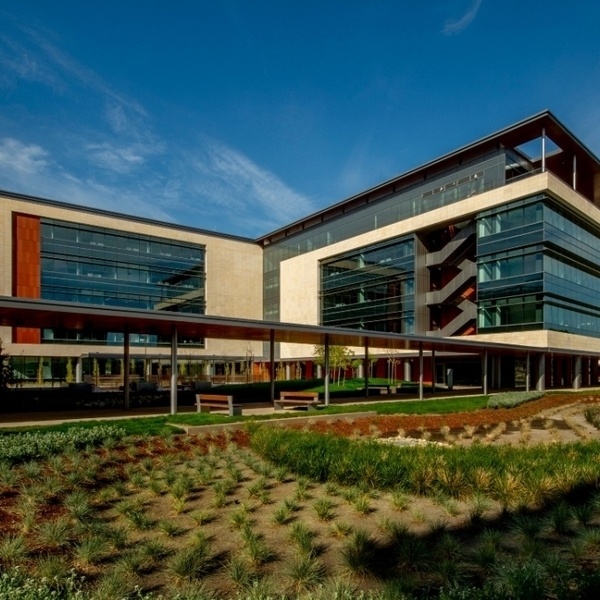
Genetic Signals
Identify inherited and acquired variants that influence disease risk and severity.

Stanford University School of Medicine
Using the body’s most accessible organ to detect, understand, and monitor disease.
Reading Disease Through the Skin
The Sarin Lab combines dermatology, genetics, molecular biology, imaging, and artificial intelligence to discover signals in the skin and translate them into better approaches for earlier detection, monitoring, and treatment.
140+
PublicationsPublications
18+
Years in CareYears in Patient Care
40+
Trainees MentoredTrainees Mentored
Skin as a Sensor
The skin is uniquely suited to reveal what is happening inside the body, and to do so again and again over time.
Skin changes can be observed directly and non-invasively.
Skin can be imaged and sampled with relatively low burden to patients.
Skin contains molecular, cellular, neural, vascular, immune, and genetic signals.
Repeated measurements can track disease progression and treatment response.
Our Research Approach
We integrate complementary signals, genetic, molecular, imaging, and digital, and translate them into meaningful insights about disease.
Identify inherited and acquired variants that influence disease risk and severity.
Profile RNA, proteins, immune pathways, and other biomarkers that reveal disease biology.
Capture structure and function from the cellular to tissue scale.
Apply artificial intelligence and data science to detect patterns and measure outcomes.
Tools & Technologies
High-resolution imaging, molecular profiling, and artificial intelligence that turn signals in the skin into measurable insight.
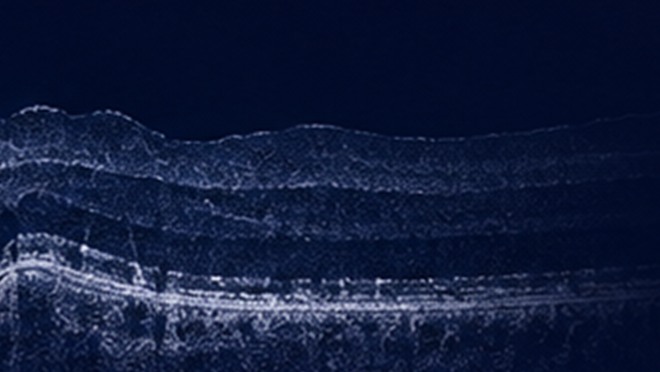
High-resolution, non-invasive optical imaging technologies, including OCT and optical clearing, to reveal skin structure and disease at cellular and tissue scales.
Learn More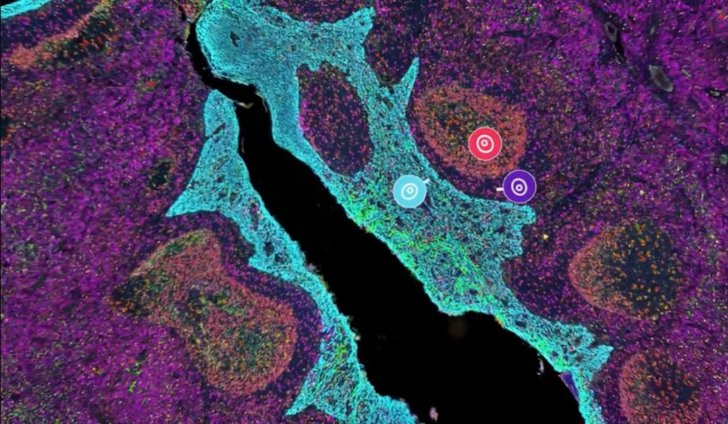
Studying intact tissue architecture alongside molecular and cellular data to see how skin structures are organized in three dimensions.
Learn More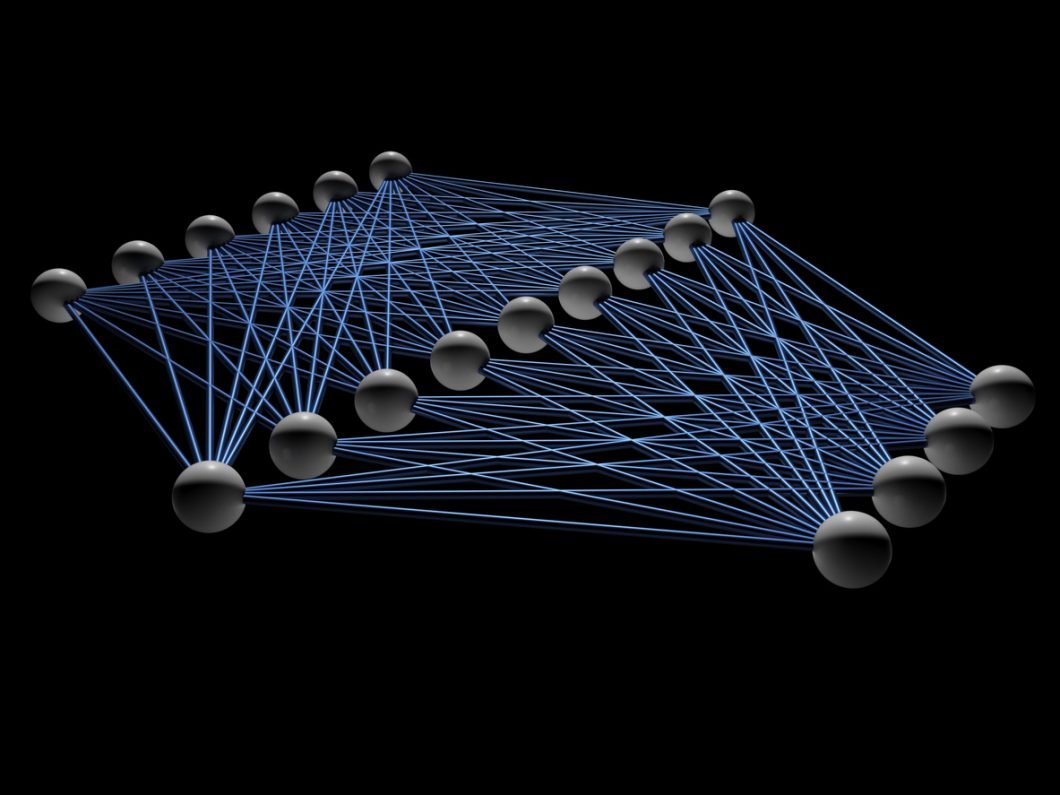
AI-based image analysis, quantitative phenotyping, multimodal integration, and predictive modeling for measuring disease.
Learn MoreLatest From the Lab
A selection of recent publications from the lab. Browse the complete list on PubMed.
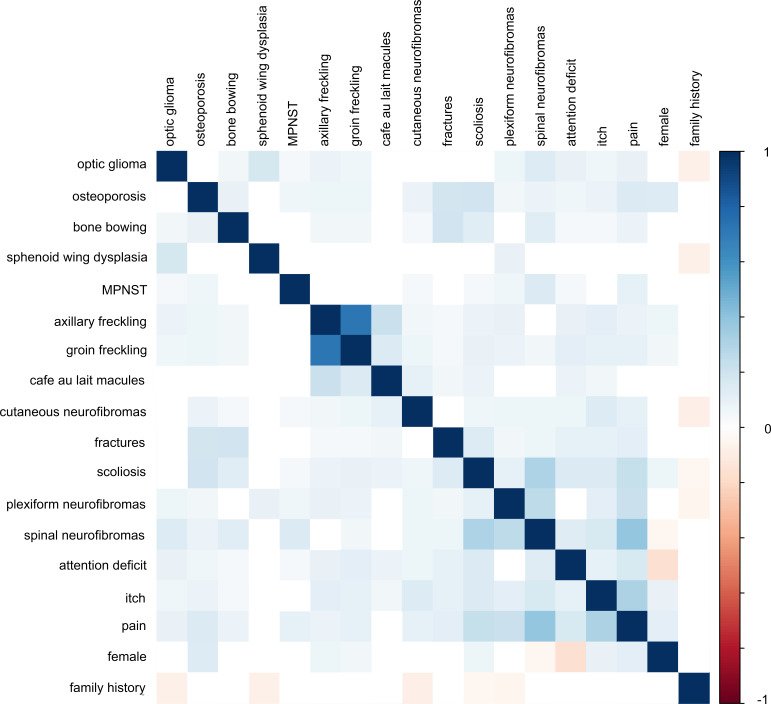
NeurofibromatosisMarch 2026
British Journal of Dermatology
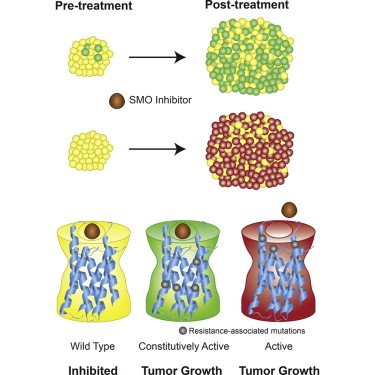
Skin CancerFebruary 2026
Cancer Research
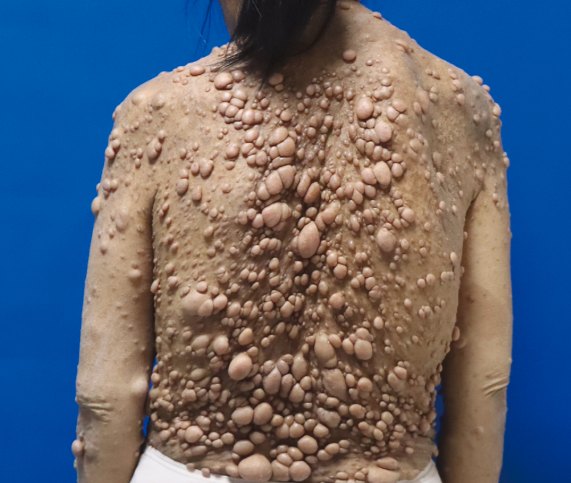
NeurofibromatosisFebruary 2026
JAAD International