
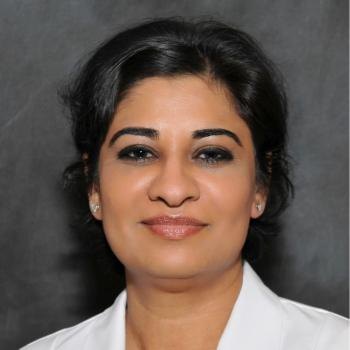
Sumaira Z. Aasi, MD
Clinical Professor of Dermatology; Director of Mohs and Dermatologic Surgery
Stanford University
Mohs micrographic surgery and the medical and surgical treatment of high-risk skin cancers.
Clinical Professor of Dermatology; Director of Mohs and Dermatologic Surgery
Stanford University
Mohs micrographic surgery and the medical and surgical treatment of high-risk skin cancers.
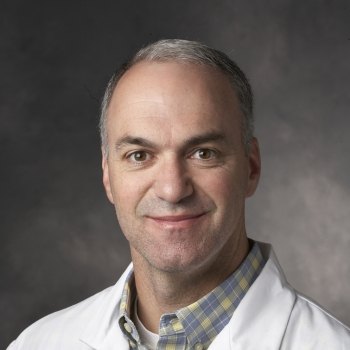
Professor of Dermatology
Stanford University
Complex autoimmune and inflammatory skin diseases, including dermatomyositis and systemic sclerosis.

Clinical Professor of Dermatology and Pathology
Stanford University
Dermatopathology and the tissue diagnosis of cutaneous disease, including cutaneous lymphoma and autoimmune disease.
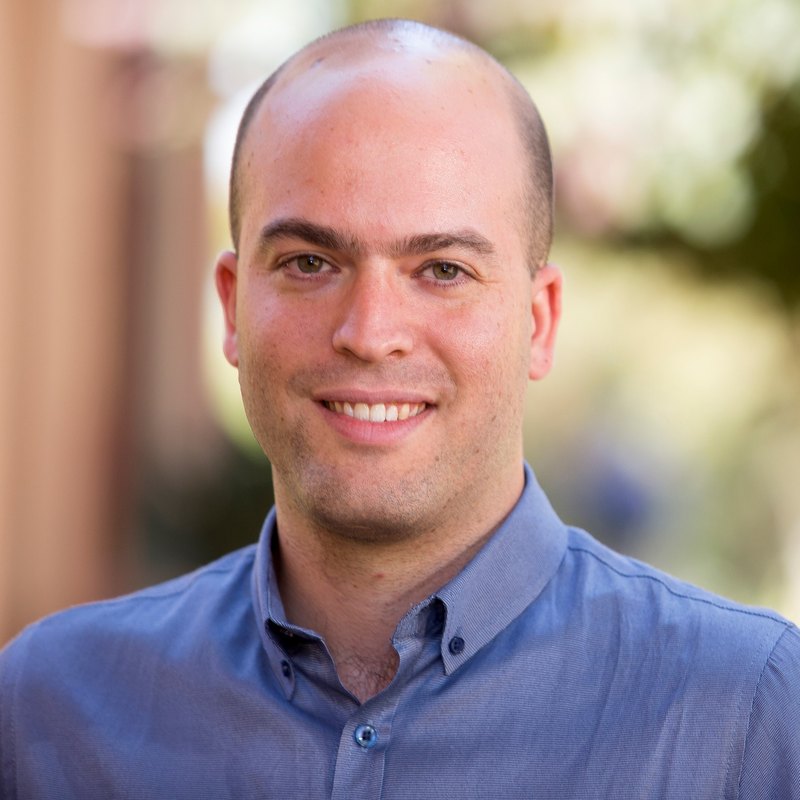
Instructor, Structural Biology
Stanford University
Optical coherence tomography and machine learning for imaging skin at high resolution without a biopsy.

Assistant Professor of Materials Science and Engineering
Stanford University
Biophotonics and materials methods that make living tissue temporarily transparent to light.

Professor of Pathology
Stanford University
Open-top light-sheet microscopy for non-destructive, three-dimensional imaging of intact tissue.
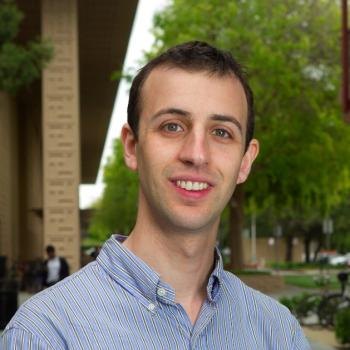
Associate Professor of Structural Biology and of Electrical Engineering (by courtesy)
Stanford University
Molecular and optical imaging technologies for studying biological structure and function.
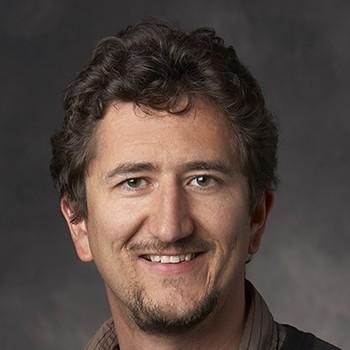
Associate Professor of Medicine (Computational Medicine) and of Biomedical Data Science
Stanford University
Machine learning and biomedical data fusion across imaging, pathology, and molecular data.
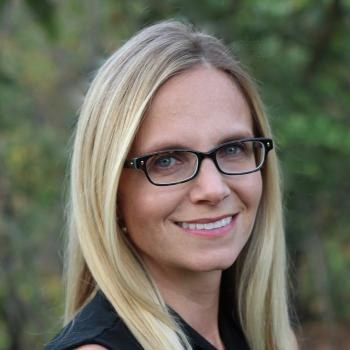
RZ Cao Professor of Medicine, Genetics, and Biomedical Data Science
Stanford University
Computational cancer genomics and machine learning to model how tumors arise, evolve, and respond to therapy.