Dr. Erin Musabandesu

Dr. Erin Musabandesu

Research Staff

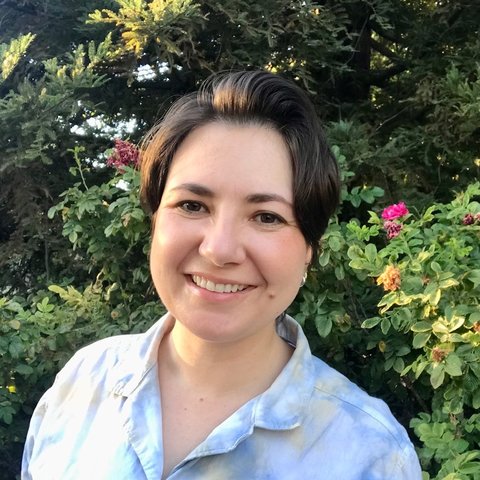
Erin Musabandesu received their Ph.D. in Civil and Environmental Engineering from the University of California, Davis, and is now a postdoc researcher in the Department of Civil and Environmental Engineering at Stanford University. Erin’s research focuses on optimizing water and industrial systems to provide sustainable, reliable operations, with an emphasis on translational research to advance energy flexibility and decarbonization. Their research leverages data analytics, visualization, machine learning, and interactive frameworks to support the optimization of complex systems.

Projects

Integrated decision-making for industrial energy flexibility
Akshay Rao
Akshay Rao
Fletcher Chapin
Fletcher Chapin
Carson Tucker
Carson Tucker
Dr. Erin Musabandesu
Dr. Haochi Wu
Dr. Haochi Wu
Daly Wettermark
Daly Wettermark
Dr. Alexander Dudchenko

Most pathways for decarbonizing the electricity sector by 2050 include substantial increases in intermittent renewable generation paired with several TWh of grid-scale energy storage. Grid scale storage includes the ability to shift or schedule large amounts of power over time and can be deployed via a diverse range of technologies, like batteries or pumped hydropower. This project aims to understand the degree to which we can use existing infrastructure as virtual storage, by scheduling the operations and consequently the power consumption of electrified industrial processes (e.g., water treatment plants, chemical manufacturing, data centers, etc.). Our group develops methods rooted in numerical optimization to design, operate, and evaluate energy flexibility strategies across a range of industrial sectors and geographic regions. By modeling these processes from the ground up, we aim to understand the cost and feasibility requirements to unlock more flexibility from existing infrastructure and strategies to design and deploy flexibility more effectively for next generation infrastructure.

Water Distribution Energy Decision Support Tools
Dr. Erin Musabandesu
Dr. Yang Liu
Dr. Yang Liu

The energy management, decarbonization, affordability, and resilience of urban infrastructure systems are imperative to meeting global health, sustainability, and climate goals. Water supply systems account for 1–3% of urban electricity consumption in the US; this is expected to increase as water utilities integrate energy-intensive nontraditional water. Water distribution systems (WDSs) must increasingly operate flexibly to balance diverse sources, control costs, and meet emission mandates. Reducing the energy, carbon, and cost intensity of WDSs while preserving reliability will require a combination of infrastructure upgrades, operational modifications, and behavioral interventions. The Water Energy Efficiency for the Environment (WE3) Lab has developed tools that enable WDSs to value, assess, and deploy energy demand flexibility to reduce costs and emissions and maintain safe, reliable water supply. These tools model high-resolution energy and carbon use by water distribution utilities, assess the tradeoffs between costs, emissions, and water quality of different interventions, estimate the magnitude of available energy load flexibility without reductions in service, and value the financial benefits of energy load flexibility to the facility.

  • National Alliance for Water Innovation (NAWI)
  • StorageX
  • Stanford Sustainability Accelerator

California Energy Commission Industrial Agriculture and Water FlexHub
Dr. Erin Musabandesu
Dr. Haochi Wu
Dr. Haochi Wu

California’s industrial, agriculture, and water sectors account for approximately 25% of the state’s electricity consumption and present a substantial opportunity for load flexible technologies to optimize energy use and reduce operational costs. The Industrial Agriculture and Water (IAW) FlexHub’s goal is to deploy demonstrations with accessible, quantifiable, and transferable results for energy transformation everywhere. WE3 Lab is working with IAWHub to externalize a set of digital tools that enable water utilities and similar industrial facilities to value, assess, and deploy energy demand flexibility.

  • California Energy Commission

Publications

← Back to Who We Are